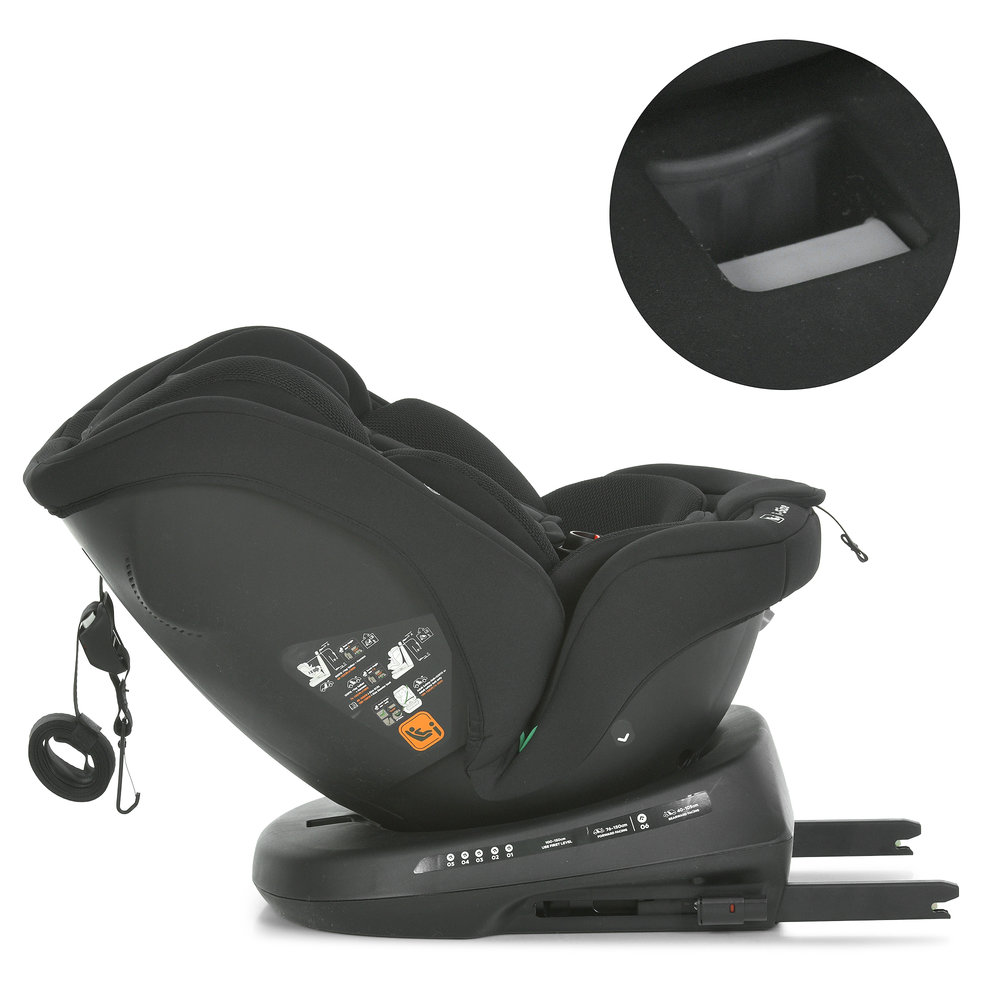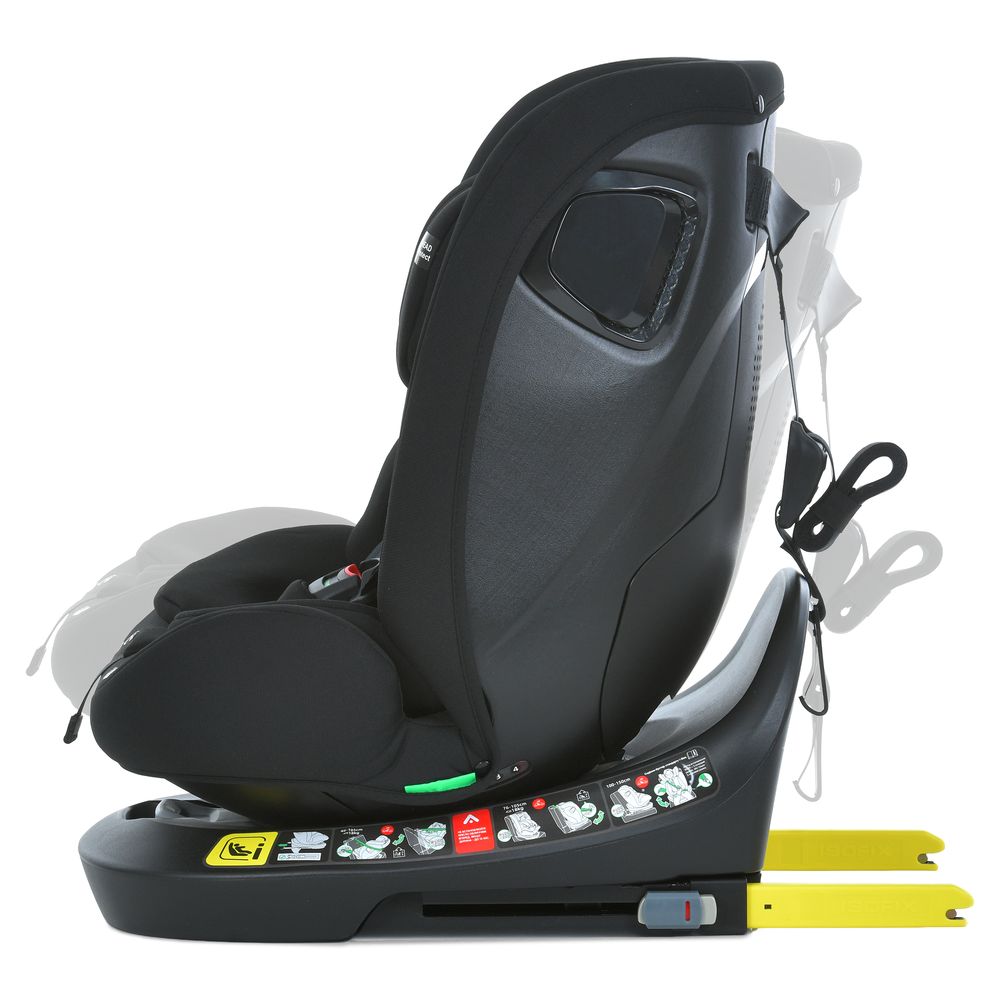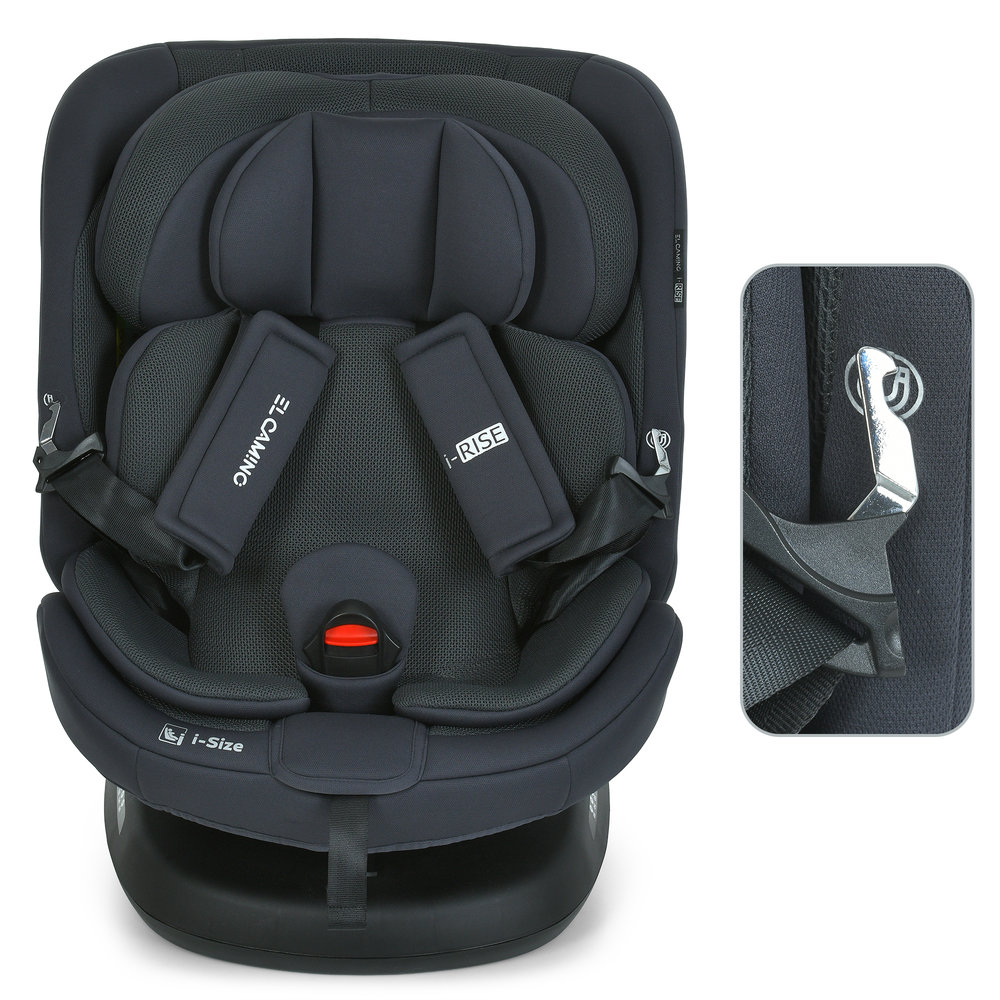
We know the feeling of choosing a car seat and getting dizzy from all the technical jargon and numbers. Don’t worry, you’re not alone! As of September 2024, a major change took place across the EU and the UK. The older R44 car seat standard was officially banned from sale, making way for the much safer i-Size (R129) standard. But what does this actually mean for you and your little one? It’s much more than just a new orange label!
Why Height is the New Weight
Historically, we bought car seats based on a child’s weight. But let’s be honest, two babies can weigh exactly the same but have completely different body shapes! For a car seat to work properly, the seatbelts must sit perfectly on their little shoulders, and the headrest must protect their temples.
That’s why the new i-Size standard classifies seats by your child’s height in centimeters. It’s much more precise! This brilliant change also stops a dangerous habit from the past: moving babies to face forward too soon. With i-Size, riding rear-facing (the safest position) is mandatory until at least 15 months to protect their fragile necks.
Quick Comparison: The Old vs. The New
| Feature | Old Standard (ECE R44) | New Standard (i-Size / R129) |
| How we choose | By weight (kg) | By height (cm) |
| Rear-facing | Only required up to 9 kg | Required up to 15 months |
| Side-impact protection | Not tested | Strict mandatory testing |
| Crash-test dummies | Older, basic models (4 sensors) | High-tech “Q” dummies (32 sensors!) |
| Installation | Seatbelts or ISOFIX | Primarily ISOFIX (less room for error) |
Next-Level Safety Tests
Did you know that side-impact collisions are incredibly dangerous because car doors offer very little space for protection? The old standard didn’t test for this, but i-Size makes side-impact testing mandatory. To pass, seats now use amazing high-tech materials like memory foam in the side panels.
Plus, the safety tests now use a new generation of crash test dummies. Instead of the old basic ones, these new “smart babies” have 32 sensitive sensors. They give engineers incredibly precise data on exactly how well your baby’s delicate neck, head, and tummy are protected during a ride.