Taking your newborn on their first car rides can be nerve-wracking. Their little bodies are so incredibly fragile! To help you feel confident and keep your baby perfectly safe, we’ve translated the strict safety protocols into a few simple, everyday rules.
Big Head, Fragile Neck
Did you know that a newborn’s head makes up about 25% of their total body weight? For adults, it’s only about 6%! Now imagine how much effort it takes for a baby to hold that heavy head up with tiny, undeveloped neck muscles. This is exactly why the way they sit in the car is so crucial.
The Magic of Rear-Facing
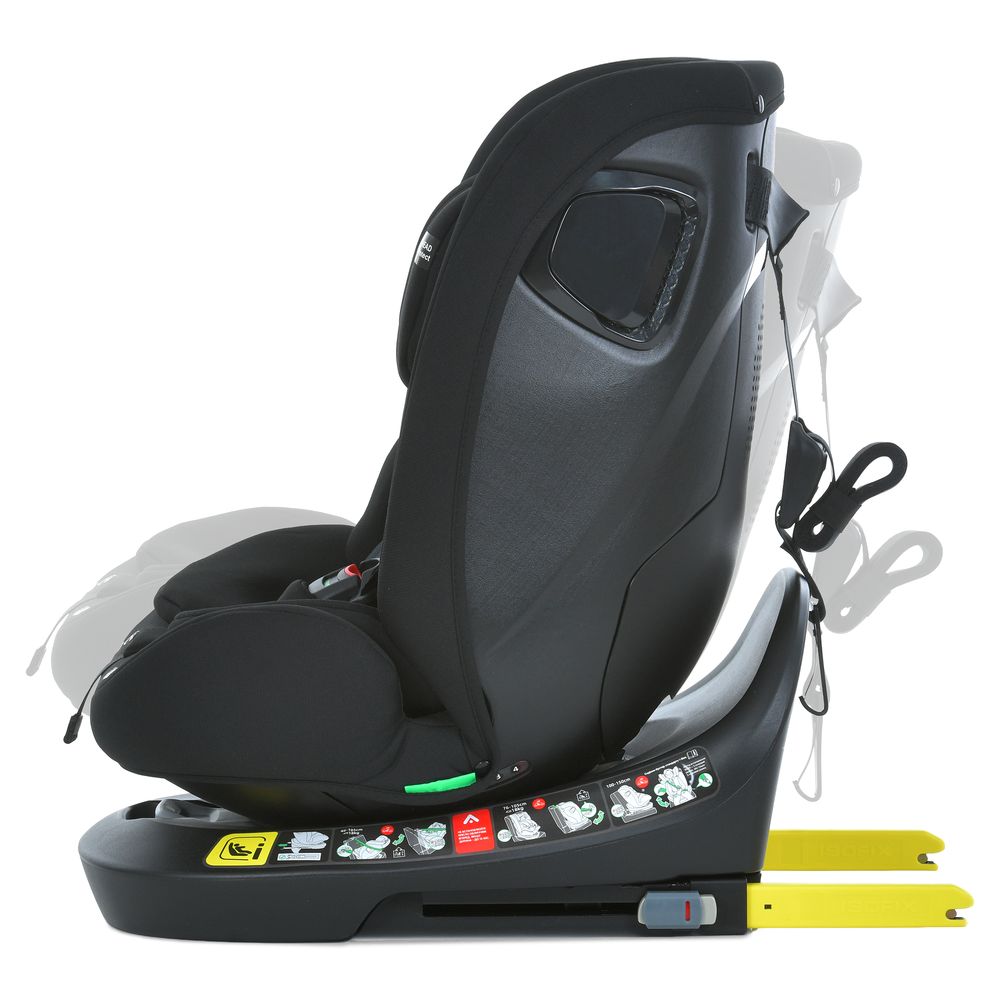
Because of that heavy little head, the new i-Size standard requires babies to ride facing the rear until they are at least 15 months old. But safety experts actually recommend keeping them rear-facing for as long as possible – ideally until they are 4 years old! Why? If you have to brake suddenly, a rear-facing seat acts like a protective shell. It catches your baby and spreads the force of the stop safely across their entire back and head, protecting their delicate neck.
The Winter Coat Trap
Here is a mistake many parents make without realizing it: putting babies in the car seat wearing puffy winter coats. The fluff in the jacket creates a cushion of air. In a crash, that air gets squished out instantly, leaving the seatbelts dangerously loose. Your baby could easily slip out!
Our tip: Dress your baby in light layers, buckle them in snugly, and then tuck a warm blanket over them over the belts.
Quick Safety Checklist
| The Golden Rule | Why it matters | How to do it right |
| No puffy jackets | Puffy coats make belts too loose. | Dress lightly, buckle up, then use a blanket. |
| Correct seat angle | Stops the head from flopping forward. | Always use the newborn insert provided. |
| Airbag OFF | An inflating airbag is extremely dangerous for a baby. | Always turn it off if the seat is in the front. |
| The 1-Finger Test | Loose belts won’t catch your baby in time. | You should only be able to fit one finger between the belt and your baby’s chest. |
The 2-Hour Rule & Safe Breathing
Car seats are designed for safety, not for sleeping in all day. Because babies can’t hold their heads up, sleeping in a car seat can cause their chin to drop down to their chest, which makes it harder for them to breathe. To keep their oxygen levels safe and protect their developing spine, pediatricians recommend taking the baby out of the seat every 90 to 120 minutes. Let them stretch out flat on their back, give them a cuddle, and then continue your journey!